

Why systems break down
Strong business systems and processes do not happen by accident. They are built when leaders are clear about what they want work to look like and make that visible for the team.
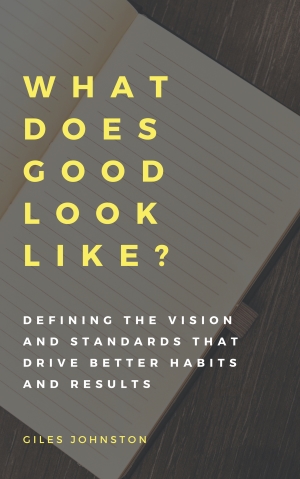
That is one of the key reasons What Does Good Look Like? can help improve business performance.
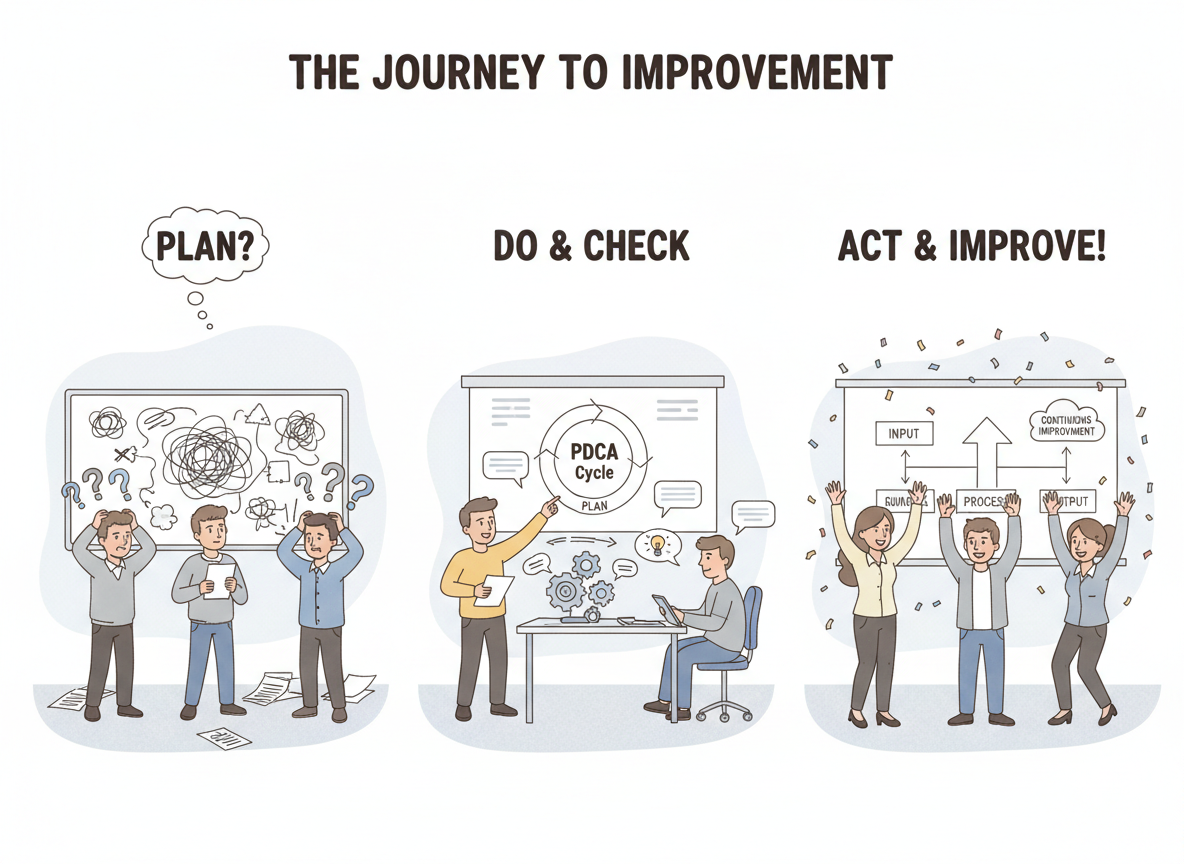
Many process problems begin with a lack of clarity. A manager may assume people know the right way to complete a task, run a meeting, update a tracker, or hand work over to the next stage. But assumptions are risky. When expectations are not clearly defined, every person fills in the gaps differently.
The cost of unclear expectations
That leads to inconsistency, wasted time, rework, and frustration.
What Does Good Look Like? helps leaders think more clearly about the standards behind their systems and processes. It encourages them to move beyond vague instructions and describe, in practical terms, what good should look like in everyday operations.
What “good” might look like in practice
That might include:
- What a good handover looks like
- What a good meeting looks like
- What a good process check looks like
- What a good update on progress looks like
- What a good standard of documentation looks like
How the book helps create consistency
This matters because systems only work when people understand them and use them consistently. If a process exists on paper but people interpret it differently, it will not deliver reliable results.
The book helps close that gap. It gives leaders a framework for making expectations clearer, so systems become easier to follow and processes become more dependable.
A more constructive management approach
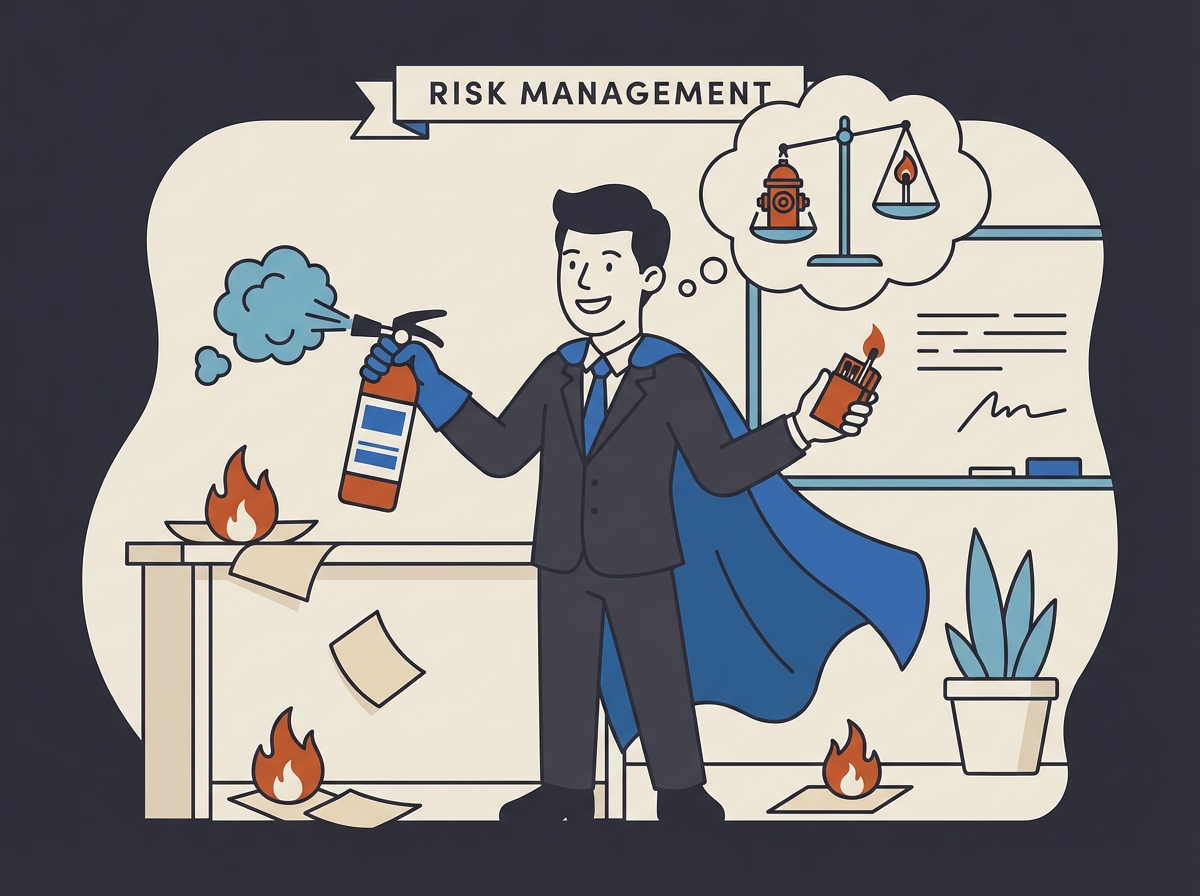
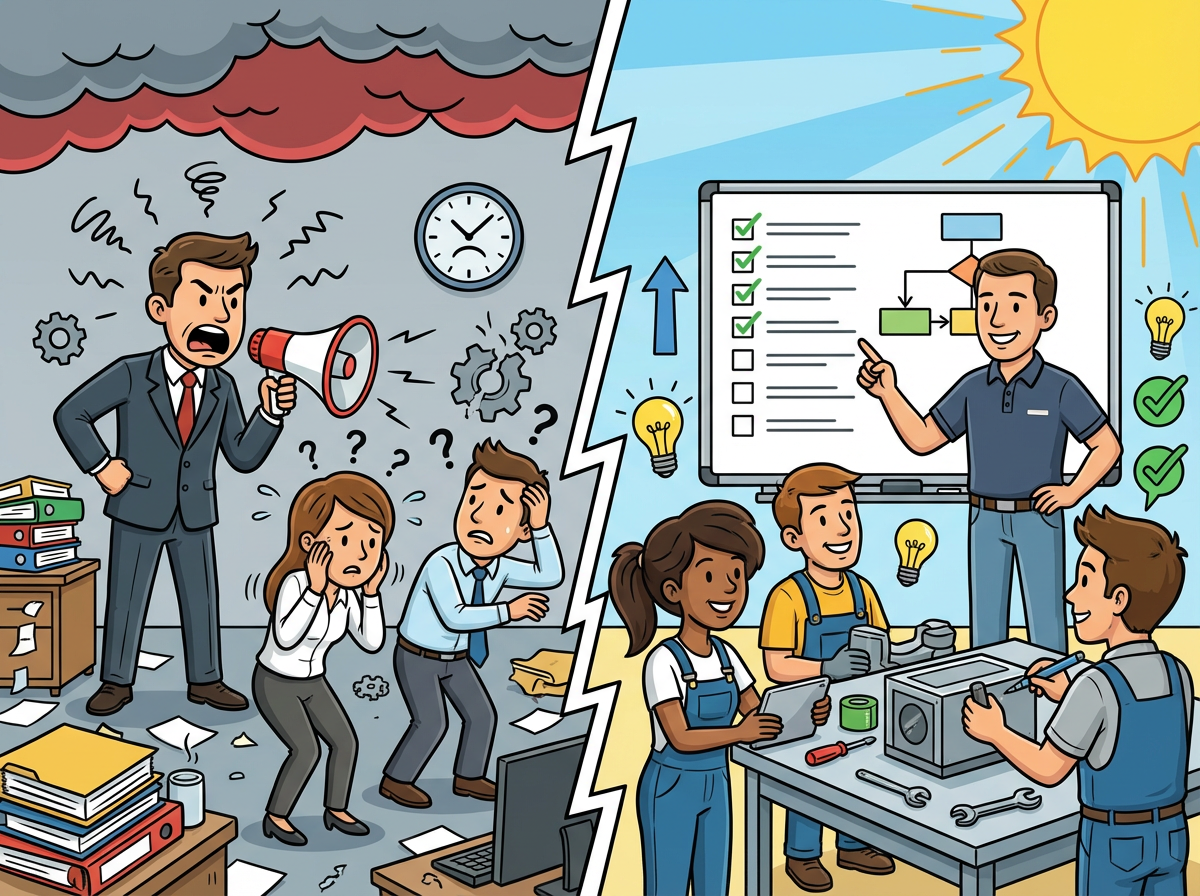
It also promotes a healthier management style. Instead of waiting until a process fails and then telling people off, leaders can define the right behaviours and experiences upfront. That creates a more supportive environment and gives teams a better chance of succeeding.
Practical business benefits
The business benefits are significant:
- More consistent ways of working
- Less variation between people and departments
- Fewer avoidable errors and delays
- Better visibility of what is happening
- Easier training and onboarding
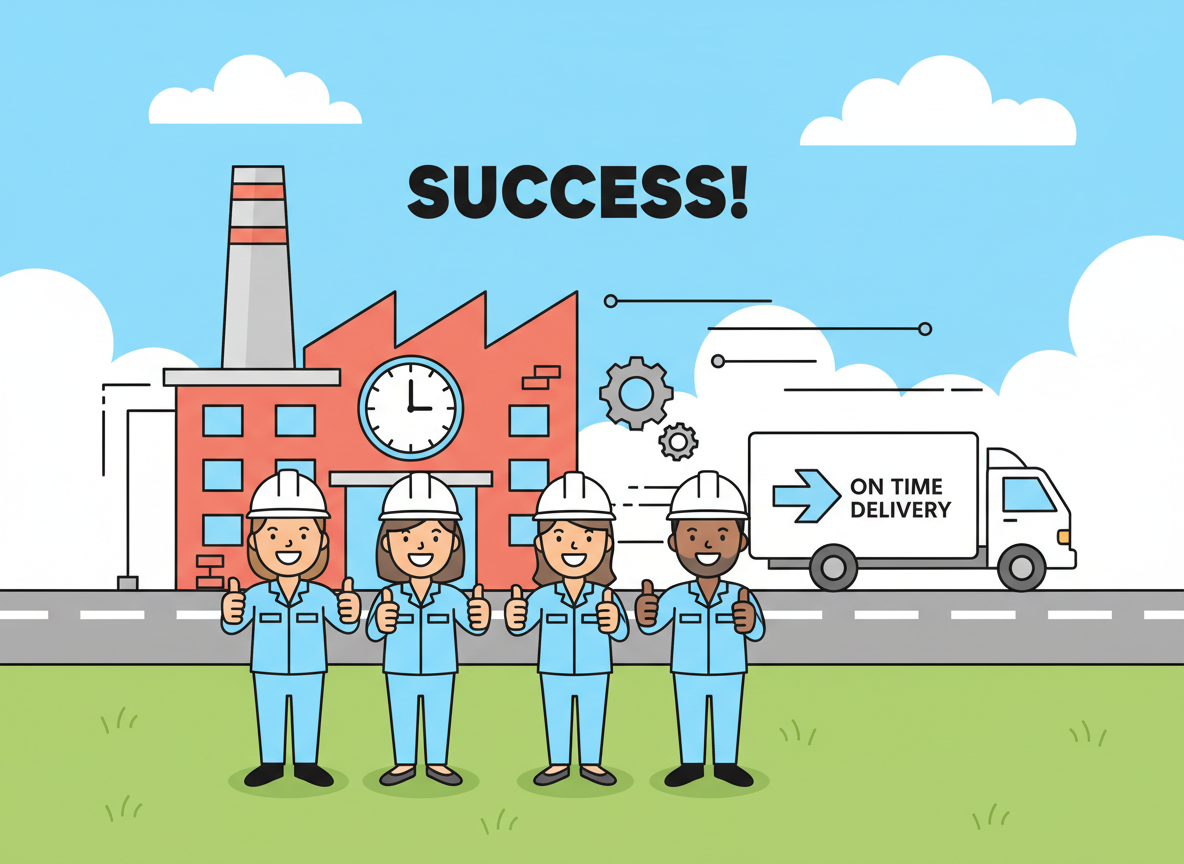
- Stronger foundations for growth
Final thought
If you want better systems and smoother processes, clarity is essential. What Does Good Look Like? helps leaders provide that clarity in a practical, usable way.